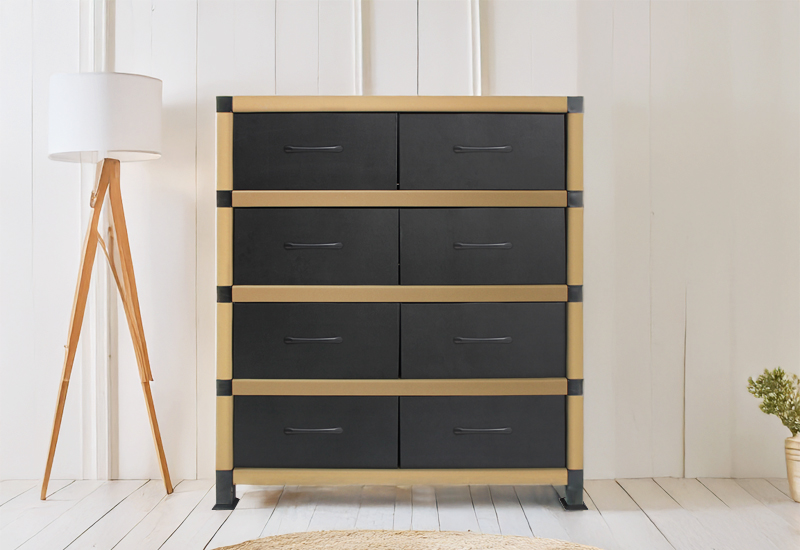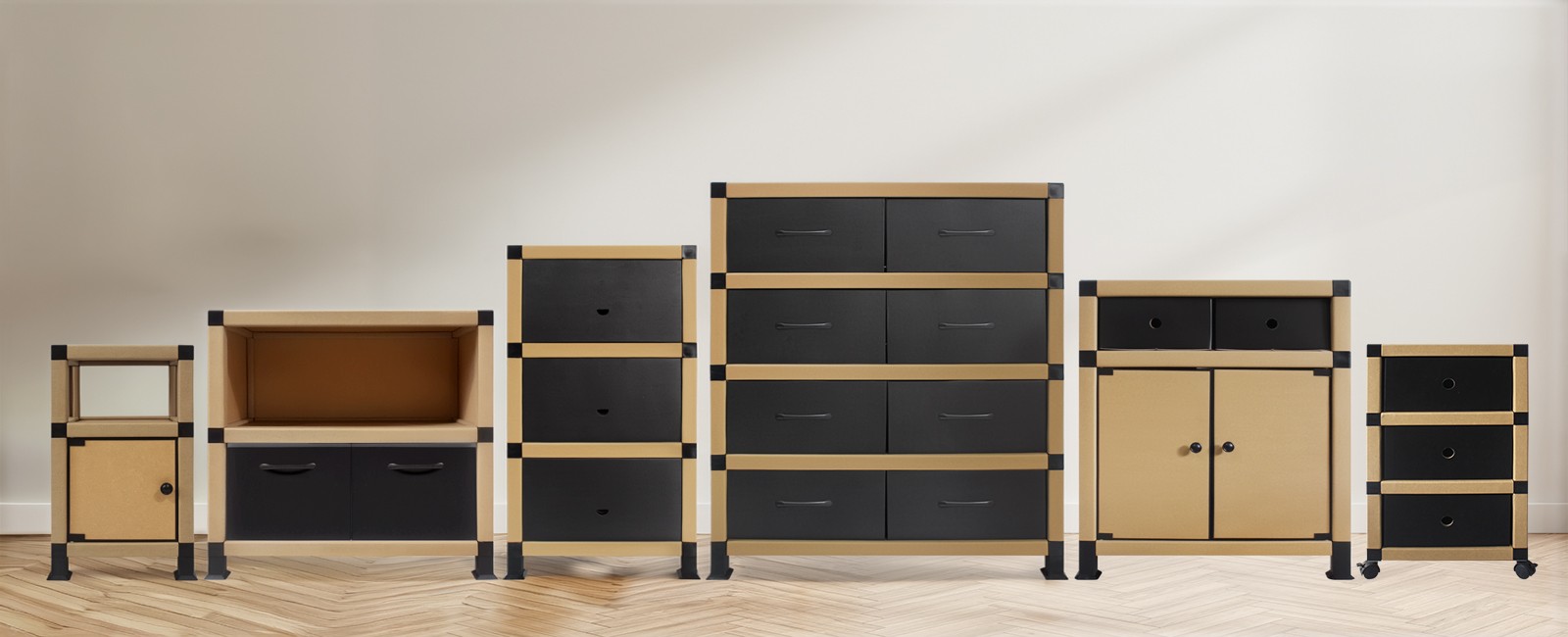
Paper furniture mainly refers to furniture products made from a series of paper materials such as corrugated fiberboard, honeycomb board, and thick cardboard. According to Luke T. Baker, paper furniture has been around for a long time, and its usage history can be traced back to the mid-19th century. In the 20th century, portable and easy to move cardboard boxes emerged with the demand for transportation, and since the 1960s, they have attracted a group of designers to use them as raw materials for their creations.
Up to now, paper materials can be used to make a wide variety of furniture and home products in the home environment. Just laminated cardboard as a paper material can be used as a raw material for furniture, cabinets, flooring, wall panels, and more. Market research company Future Market Insights pointed out in its laminated cardboard market analysis report released last year that with the increasing demand for environmentally friendly and sustainable materials in various industries, the laminated cardboard market has experienced significant growth.
The primary advantage of the widespread use of paper materials is their sustainable utilization. Alexandra Lange, a critic in the field of architecture and design in the United States, stated that cardboard was a byproduct of post-war consumer culture, so in the 1960s and 1970s, "giving boxes a second life at home was a positive adjustment to disposable culture. Moreover, after the end of the product lifecycle, these paper-based materials can still obtain their third and fourth lifetimes. Gerald Dissen, founder of German paper furniture brand ROOM IN A BOX, stated that although furniture is made of paper, it is "by no means a disposable product" and can be recycled again. If it is a modular paper product, it can also be assembled and combined into new products such as shelves and sofas without being discarded.
Paper materials can not only be recycled and reused, but also effectively reduce carbon footprint during production, manufacturing, and transportation processes. According to Gerald Dissen, the environmental performance of Room in a Box cardboard bed frame is "280 times higher than standard beds and reduces energy consumption by 8000 times." Luke T. Baker also stated that paper materials often require less natural resources and can be sourced locally. The lightweight and flat unfolding characteristics also help control transportation weight and volume, reducing the carbon footprint during transportation.
The durability of paper furniture is also beyond imagination. Maximilian Hansen, CEO of paper furniture brand Nordwerk, stated that "thick cardboard and wood belong to the same fire protection category", so there is no need to worry about paper products not having fire resistance and affecting their service life. In addition, the idea of paper materials falling apart when exposed to water is also incorrect.