
Side tables are among the most frequently replaced pieces of furniture in a home. They get scratched, stained, and bumped during moves, and when they wear out, most end up in landfills. That reality has pushed more homeowners and renters toward materials that carry a lighter environmental footprint. If you have been searching for a sustainable alternative to wood side table options, the good news is that today's market offers far more variety than it did even a few years ago — from paper-based designs to bamboo, reclaimed timber, and recycled composites. This guide walks through the styles available for each category so you can find something that fits both your interior and your values.
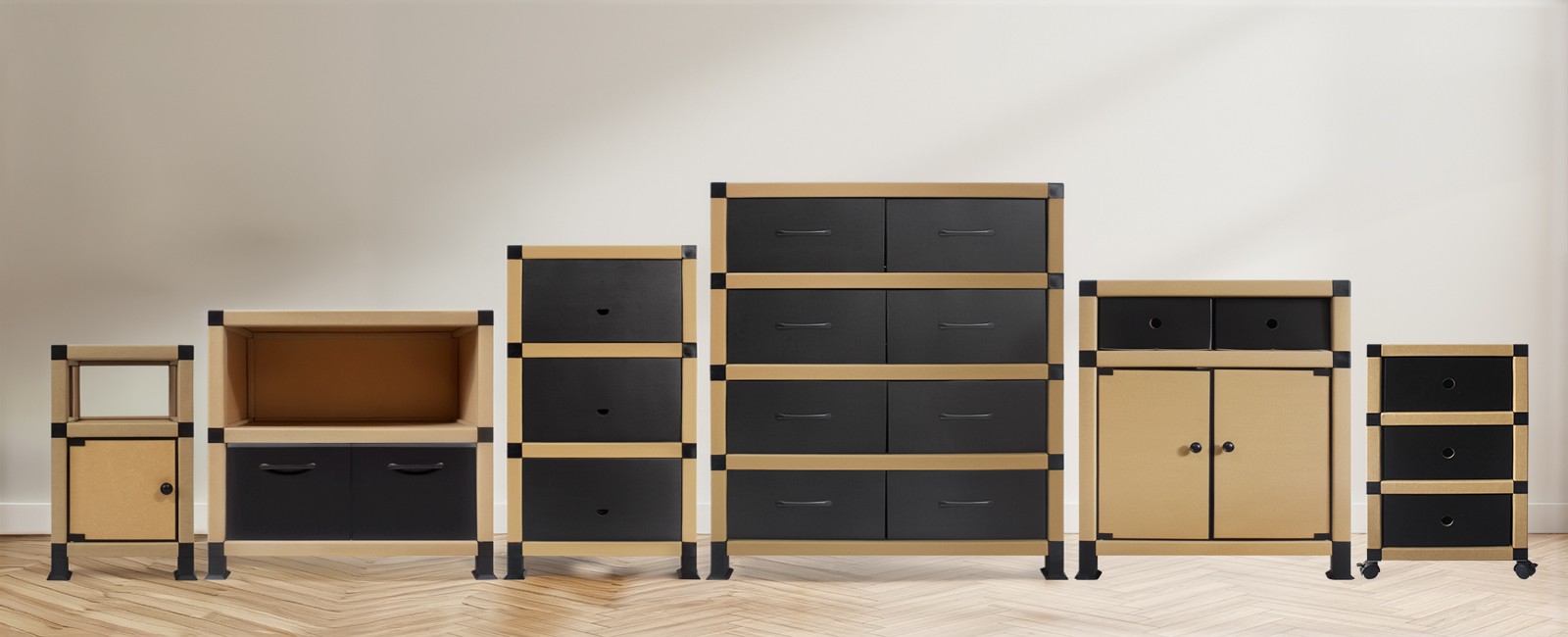
Paper-based furniture has matured well beyond the novelty stage. Manufacturers now use high-strength kraft paper tubes, reinforced panels, and multi-prong polypropylene connectors to build tables that support real-world loads while weighing a fraction of what traditional furniture does. The result is a category that offers several distinct styles.
Clean lines, neutral finishes, and uncluttered silhouettes define this style. A paper sofa side table in white or natural kraft tones sits comfortably in contemporary living rooms without drawing attention to itself. These pieces often feature open shelving rather than solid cabinetry, which helps small spaces feel less crowded. Because the material is lightweight — typically 20–30% the weight of comparable wood furniture — repositioning the table for different occasions takes almost no effort.
Some paper side tables pair a matte-black structural frame with a white or colored drawer, creating an understated industrial look. This style works well in loft apartments and modern studios where mixed textures are part of the design language. A narrow side table with a drawer and open shelf, for instance, can serve as both a nightstand and a living-room accent piece without looking out of place in either setting.
Not every side table needs to be a single surface on legs. Multi-tier designs with three or four levels of shelving plus a drawer turn a side table into a compact storage unit. This style suits people who live in small apartments or rental homes where every piece of furniture needs to earn its keep. The flat-pack construction means the entire unit ships in a slim carton and assembles without tools — a practical advantage for anyone who moves frequently.
Bamboo grows faster than almost any other woody plant, reaching harvest maturity in three to five years compared with decades for hardwoods. That renewability has made bamboo a popular choice for homeowners who want the warmth of natural material without the deforestation footprint of slow-growth timber.
Bamboo side tables often carry a distinctly organic aesthetic — visible grain, warm honey tones, and sometimes woven elements. This style pairs naturally with Japandi, Scandinavian, and coastal interiors. The material takes stain and finish well, so you can find bamboo tables ranging from pale blonde to dark walnut tones without any actual wood content.
Manufacturers have also begun shaping bamboo into clean geometric forms that echo mid-century modern design — tapered legs, rounded edges, and slim profiles. These pieces look almost indistinguishable from their wooden counterparts at a glance, which makes them an easy swap for anyone who wants the visual language of classic furniture without the environmental cost.
Reclaimed wood side tables reuse timber from old barns, warehouses, shipping pallets, and demolished buildings. The material is already harvested, so no new trees are cut for these pieces. Each table carries unique character — nail holes, knots, and weathering patterns that new lumber cannot replicate.
This is the most common style for reclaimed wood furniture. Thick planks, visible joinery, and a matte or distressed finish give these tables a grounded, lived-in feel. They fit naturally in farmhouse, cabin, and eclectic interiors where imperfection is part of the charm.
When reclaimed wood is paired with steel hairpin legs or a powder-coated metal frame, the result is an industrial-style side table that works in modern lofts and urban apartments. The contrast between aged wood and crisp metal creates visual interest without needing decoration.
Beyond paper, bamboo, and reclaimed wood, a growing number of side tables are made from recycled plastics, compressed agricultural waste, and engineered composites. These materials divert waste from landfills and often require less energy to process than virgin raw materials.
Recycled plastic side tables are available in vivid colors and bold patterns that would be difficult to achieve with natural materials. This style suits children's rooms, playrooms, and casual outdoor spaces where a pop of color is welcome and where the table's recyclability at end of life matters.
Composite boards made from recycled paper fiber or agricultural waste can be finished to resemble stone or concrete. These tables offer a minimalist, monolithic look that fits contemporary and industrial interiors, with the added benefit of being lighter than the materials they imitate.
| Material | Available Styles | Weight | Best For |
|---|---|---|---|
| Paper / Cardboard | Minimalist, industrial, multi-tier storage | Very light | Rentals, small spaces, temporary setups |
| Bamboo | Natural, mid-century, contemporary | Light to medium | Living rooms, bedrooms, coastal interiors |
| Reclaimed Wood | Rustic, farmhouse, refined industrial | Heavy | Permanent homes, character-rich interiors |
| Recycled Composites | Colorful, sleek minimalist | Medium | Playrooms, outdoor spaces, modern interiors |
The best sustainable side table is one that fits your daily life, not just your decor. Here are some practical considerations:
For renters, students, and anyone furnishing a flexible space, eco-friendly furniture made from paper-based materials offers a combination that is hard to beat: tool-free assembly, flat-pack shipping, genuine load-bearing capacity, and full recyclability at end of life. The styles available — from minimalist white to industrial two-tone to multi-tier storage — cover most interior preferences without requiring you to compromise on sustainability.
Summary. Sustainable alternatives to wood side tables are no longer limited to a single look or material. Paper and cardboard designs cover minimalist, industrial, and multi-functional styles. Bamboo offers natural warmth and mid-century geometry. Reclaimed wood brings rustic character and industrial edge. Recycled composites add color and sleek minimalism. Whatever your interior style, there is a side table that reduces environmental impact without sacrificing function or appearance.
