
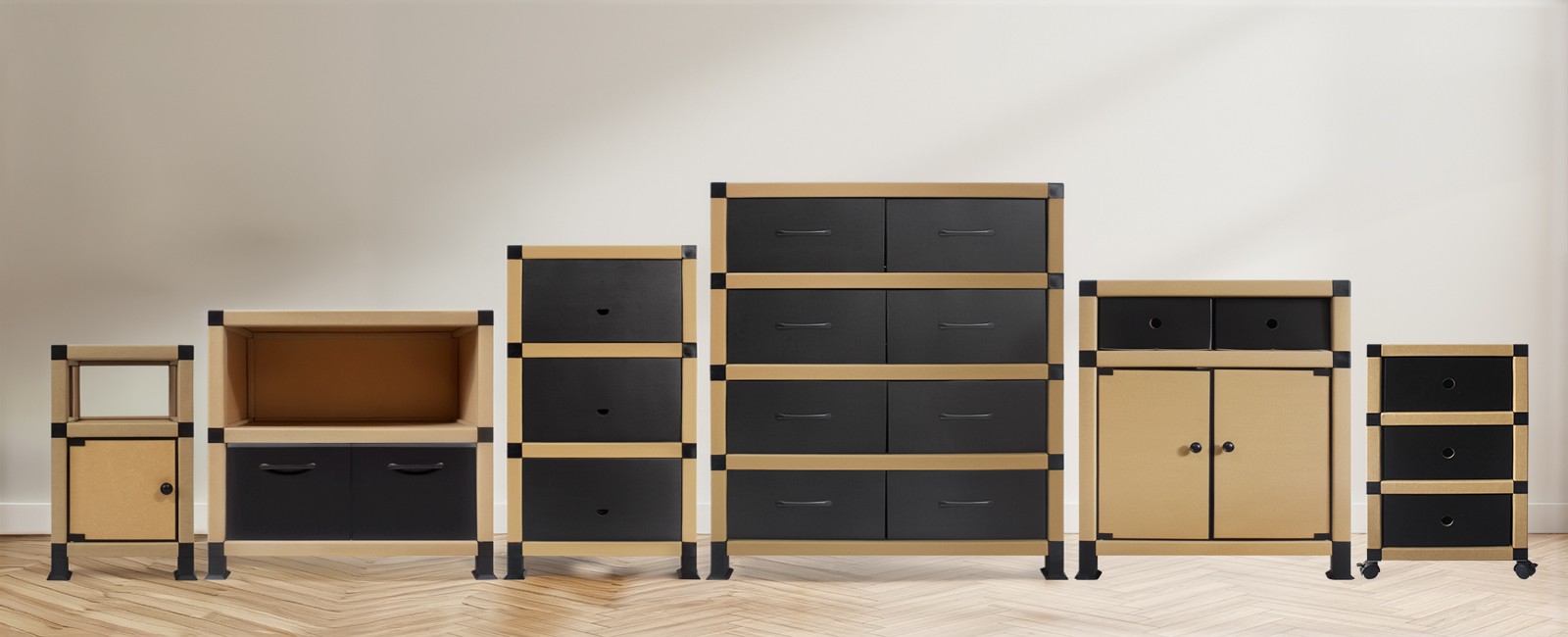
When shopping for affordable, easy-to-assemble furniture, consumers often find themselves choosing between two popular options: flat pack sustainable furniture and MDF (Medium-Density Fiberboard) furniture. While both serve similar purposes and come with their own sets of advantages, it is important to understand the limitations of sustainable flat-pack alternatives when compared directly with MDF. This article examines the key disadvantages of flat-pack sustainable furniture relative to MDF, offering a balanced view so buyers can make an informed decision.
MDF is an engineered wood product made by breaking down hardwood or softwood residuals into wood fibers, combining them with wax and a resin binder, and pressing them into panels under high temperature and pressure. The result is a dense, uniform, and smooth-surfaced material widely used in furniture manufacturing. MDF is known for its stability, smooth finish that takes paint well, and consistent density across the entire panel—qualities that have made it a staple in the furniture industry for decades.
One of the most noticeable differences lies in structural strength and load capacity. MDF, with its high density and rigid composition, generally offers superior weight-bearing performance compared with paper or cardboard-based sustainable furniture. This makes MDF a more conventional choice for heavy-duty applications such as large bookshelves loaded with hardcover books, heavy dressers, or work desks that support substantial equipment.
However, it is worth noting that modern sustainable furniture manufacturers have made significant engineering progress. For example, paper furniture from MINHOU UNIMAX uses high-strength paper tubes, reinforced paper panels, and patented multi-prong polypropylene connector systems to distribute weight effectively. Selected structures can support an adult weighing up to 80 kg, and some bookshelf models carry a total load of up to 50 kg—more than sufficient for everyday storage needs.
Moisture sensitivity is another area where paper-based sustainable furniture faces more constraints than MDF. Because paper and cardboard are fundamentally cellulose-based materials, prolonged exposure to high humidity or direct contact with water can affect structural integrity more readily than with denser engineered wood panels. MDF is also susceptible to water damage—its edges can swell when wet—but its higher density and resin content give it somewhat better inherent resistance to ambient moisture.
That said, leading manufacturers address this concern through specialized surface treatments. Many eco-friendly furniture products now feature water- and stain-resistant nano-coatings that create a protective barrier against spills and humidity. With proper care—controlling indoor humidity, keeping furniture away from floor-level moisture, and promptly wiping up spills—quality sustainable furniture can maintain its integrity for years in typical indoor environments.
When it comes to expected service life, MDF furniture typically has the upper hand for permanent, heavy-use scenarios. A well-built MDF cabinet or bookshelf can often last a decade or more under normal household conditions. Flat-pack sustainable furniture, particularly paper-based varieties, generally has a shorter expected lifespan—commonly ranging from one to five years depending on materials, construction quality, usage intensity, and environmental conditions.
This shorter lifespan, however, is closely tied to the intended use case. Sustainable flat-pack furniture excels in light-use, transitional, and flexible-space applications: rental apartments, student dormitories, temporary offices, pop-up displays, children's rooms, and storage-focused corners. For these scenarios, the lifespan is entirely appropriate—and the furniture can be recycled at end-of-life rather than ending up in a landfill. Under suitable conditions and with proper care, well-constructed sustainable pieces can even exceed five years of service.
MDF has been a mainstream furniture material for decades, so consumers are generally familiar with its properties, strengths, and limitations. Sustainable flat-pack furniture, especially paper and cardboard varieties, represents a newer category that some buyers still approach with skepticism. Questions about sturdiness, longevity, and perceived "real furniture" status can slow adoption among more traditional shoppers.
This perception gap is gradually narrowing as quality improvements, third-party test reports, and real-world customer experiences demonstrate the viability of sustainable alternatives. Reputable manufacturers back their products with clear load specifications, quality certifications, and transparent material information, helping consumers make confident choices.
MDF's smooth, uniform surface accepts veneers, laminates, and paint exceptionally well, allowing for a wide range of finishes—from realistic wood grain to high-gloss colors. This gives MDF furniture a versatile aesthetic palette that can match traditional, modern, or eclectic interior styles. Sustainable flat-pack furniture, while available in various colors and designs, often leans toward a more minimalist, modern, or industrial aesthetic due to its material characteristics.
On the positive side, many eco-friendly furniture brands offer customizable appearances, allowing buyers to tailor the look to their preferences. The distinctive texture and construction of paper furniture can also become a design feature in its own right, appealing to consumers who value unique, conversation-starting pieces with an eco-conscious story.
While the disadvantages outlined above are real and worth considering, they must be weighed against the unique benefits that sustainable flat-pack furniture brings—benefits that MDF cannot match:
The right choice depends on your specific needs, circumstances, and values:
Flat pack sustainable furniture does come with certain disadvantages compared with MDF—generally lower maximum load capacity, greater moisture sensitivity, shorter expected lifespan for heavy use, and more limited aesthetic variety. However, these limitations are highly context-dependent and often irrelevant for the specific use cases where sustainable furniture is designed to excel.
As manufacturing technology continues to advance—with stronger paper composites, better water-resistant treatments, and innovative structural designs—the performance gap between sustainable flat-pack furniture and traditional materials like MDF continues to narrow. For environmentally conscious consumers, renters, students, and anyone seeking flexible, lightweight, and responsible furniture options, the advantages of sustainable flat-pack designs often far outweigh the drawbacks.
Ultimately, the best choice is not about which material is universally "better," but about matching the right furniture type to your specific needs, lifestyle, and environmental values.
